


PDO threads are made from polydioxanone, a safe, medical-grade material used in surgical sutures. When inserted into the skin, they act as a supportive scaffold that immediately lifts sagging tissue. Over time, the body absorbs the threads while stimulating collagen production, which helps maintain a firmer, smoother look naturally.
Treatment Details:
Locations Offered
Mansfield, Midlothian, Waxahachie
Anesthetic
Yes
Length of Treatment Session
75 minutes
# of Sessions Needed
1
Downtime
Minimal
Recovery Time
Minimal
Initial Results Seen In…
Immediately
Duration of Results
9 to 36 months
What It Treats:
-
Skin laxity
-
Facial sagging
-
Skin needing lift, tightening, or rejuvenation



Ready to look incredible and feel your best? Request a visit today!


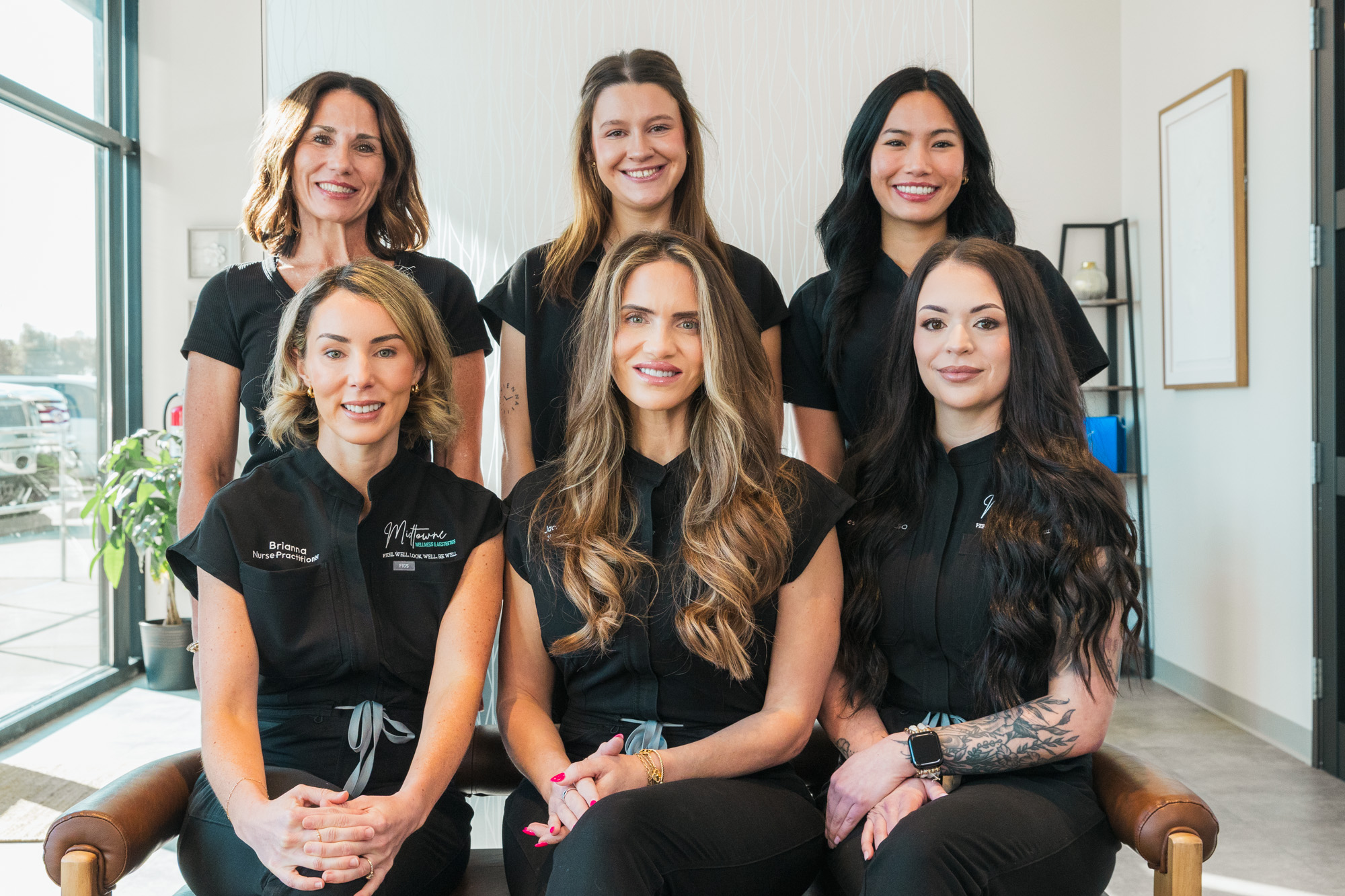
PDO Threads vs. Traditional Facelifts: What’s Right for You?
As we age, it’s natural to notice subtle changes in the mirror. Areas that once appeared firm and lifted may start to droop, and the jawline, cheeks, or neck may not feel as defined. While many of us want to address these changes, not everyone is ready for a surgical procedure.
That’s one reason PDO threads have become an increasingly popular option for facial rejuvenation. They address mild-to-moderate skin laxity while supporting the body’s natural collagen production, all without the recovery associated with surgery.
Understanding the differences between threads in Waxahachie and Mansfield and a traditional facelift can help you determine which approach best aligns with your goals, lifestyle, and stage of aging.
Read more to learn how these treatments compare and what each option accomplishes.
PDO Threads vs. Traditional Facelifts: What’s Right for You?
As we age, it’s natural to notice subtle changes in the mirror. Areas that once appeared firm and lifted may start to droop, and the jawline, cheeks, or neck may not feel as defined. While many of us want to address these changes, not everyone is ready for a surgical procedure.
That’s one reason PDO threads have become an increasingly popular option for facial rejuvenation. They address mild-to-moderate skin laxity while supporting the body’s natural collagen production, all without the recovery associated with surgery.
Understanding the differences between threads in Waxahachie and Mansfield and a traditional facelift can help you determine which approach best aligns with your goals, lifestyle, and stage of aging.
Read more to learn how these treatments compare and what each option accomplishes.
What Are PDO Threads?
PDO Threads stands for “polydioxanone threads.” These are medical-grade materials that professionals have used safely in surgical procedures for years.
In aesthetic treatments, providers carefully place threads beneath the skin to provide gentle support to areas experiencing mild sagging or loss of definition.
One of the unique benefits of this treatment is the dual-action support. First, threads create an immediate lifting effect by helping reposition tissue in loose areas. Second, they stimulate the body’s natural healing response, encouraging the development of new collagen.
As collagen production increases, the skin can appear firmer, smoother, and more supported. This gradual improvement often continues for several months following treatment.
We use threads to address concerns involving the:
- Jawline
- Cheeks
- Lower face
- Neck
- Brows
While the threads eventually dissolve naturally, the collagen stimulated during the process continues to provide structural support to the skin.
What Is a Traditional Facelift?
A facelift is a surgical procedure designed to address more advanced signs of facial aging. During surgery, a surgeon removes excess skin and repositions underlying tissues to create a firmer, more lifted appearance.
Facelifts can produce significant improvements for patients experiencing moderate-to-severe skin laxity. However, because the procedure involves surgery, it also requires anesthesia, incisions, and a more extensive recovery period.
Why We Usually Recommend PDO Threads Over Facelifts
Both PDO threads and facelifts can improve facial contours and address signs of aging, but they differ significantly in their approach.
1. PDO Threads Have a More Comfortable Treatment Experience
One of the biggest differences between these options is how providers perform the treatment.
Surgeons complete facelifts in a surgical setting and typically utilize anesthesia. The procedure involves making a variety of incisions around the hairline and ears to reposition the underlying tissues and remove excess skin.
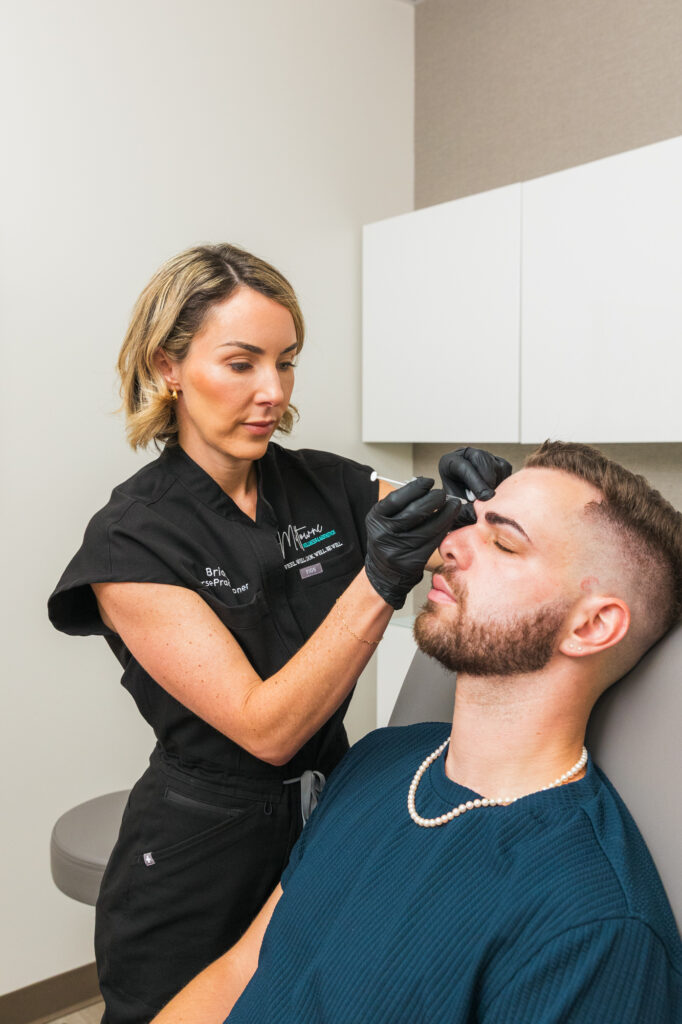
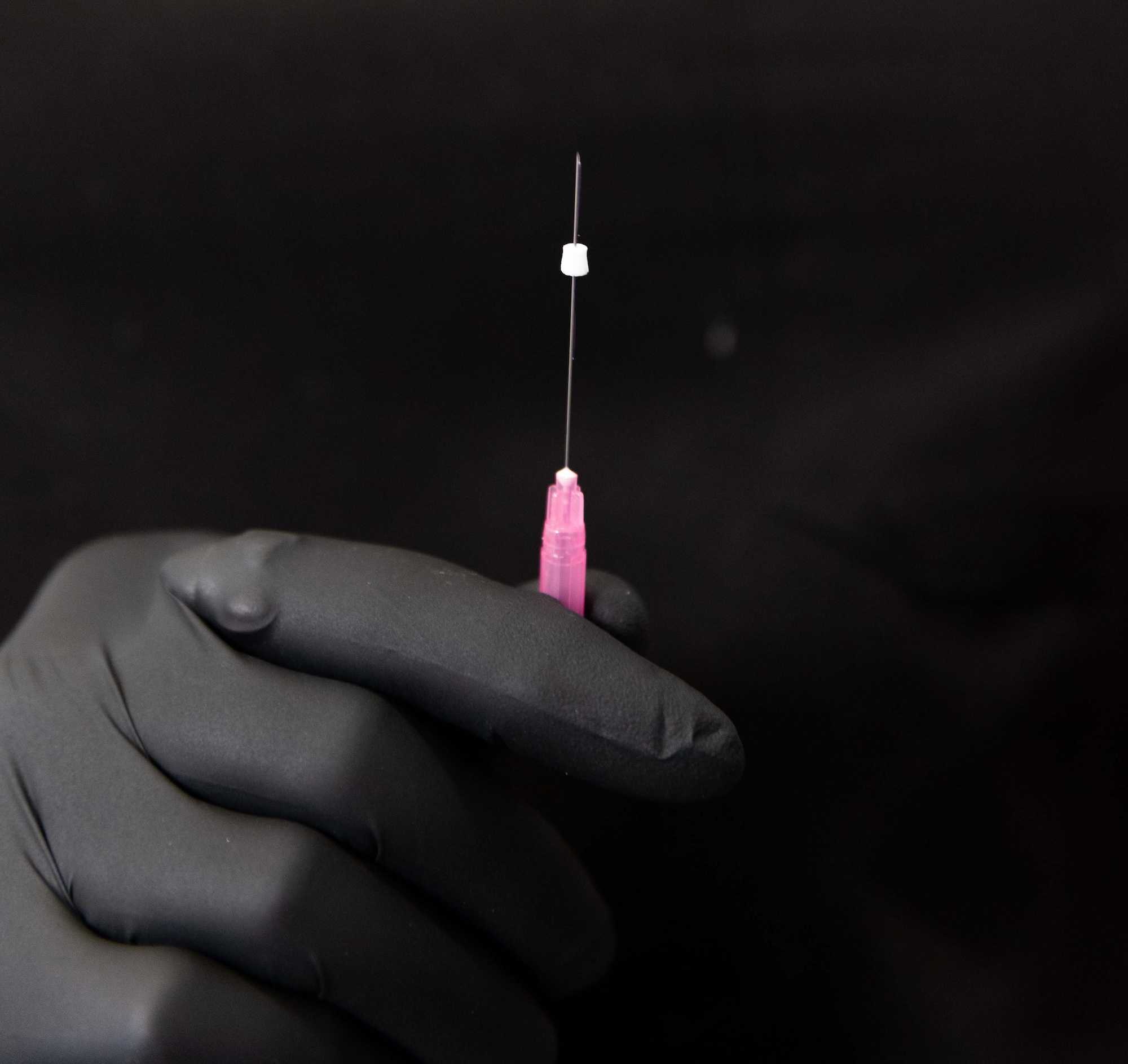
PDO threads, on the other hand, are performed in-office and typically require only local numbing. Once your provider has prepared the treatment area, they gently place your threads beneath the skin using specialized instruments.
Treatment does not involve large incisions, and it doesn’t require skin removal. Most providers can complete appointments in less than an hour. This makes skin tightening a convenient option for many patients.
2. PDO Threads Have Far Less Recovery and Downtime
Recovery is often one of the most important considerations when choosing between surgical and non-surgical treatments.
Following a facelift, patients can expect swelling, bruising, and an initial healing period that usually lasts at least 2 weeks. Many patients must plan time away from work and social activities while they recover. Some people choose to wait for months before resuming all normal activities.
Nonsurgical lifting involves much less downtime. Some swelling, tenderness, bruising, or a feeling of tightness can occur immediately after treatment. These effects usually only last a day or two.
Most patients return to many of their normal activities within 48 hours, although providers may recommend avoiding strenuous exercise and certain facial movements for a short period.
For patients with busy schedules, the shorter recovery associated with threads is a tremendous advantage.
3. PDO Threads Have Moderate Results and Longevity
Another key difference involves the scope and longevity of results.
While a facelift allows for more dramatic correction of advanced aging concerns, it physically removes excess skin and repositions deeper facial structures. Results can often last many years, although the natural aging process continues.
PDO threads are designed for patients experiencing mild-to-moderate laxity who want subtle, natural-looking improvement without surgery. The threads create an immediate lifting effect upon placement to minimize signs of aging.
Many patients continue to notice improvements in firmness and skin quality in the months following treatment. Results vary from person to person, but threads often provide benefits that last between 12 and 18 months.
4. PDO Threads Have Fewer Safety Risks
Every treatment carries considerations that should be discussed during a consultation.
Because facelifts are surgical procedures, they involve the risks associated with surgery and anesthesia. With the more extensive incisions and recovery process, they carry the potential for scarring, infection, or other surgical complications.
Threads in Waxahachie and Mansfield have a well-established safety profile when performed by trained providers. Since the treatment does not involve large incisions or general anesthesia, it avoids many of the risks associated with surgery.
The most common side effects are temporary and mild, like slight swelling or a sensation of tightness in the treatment area.
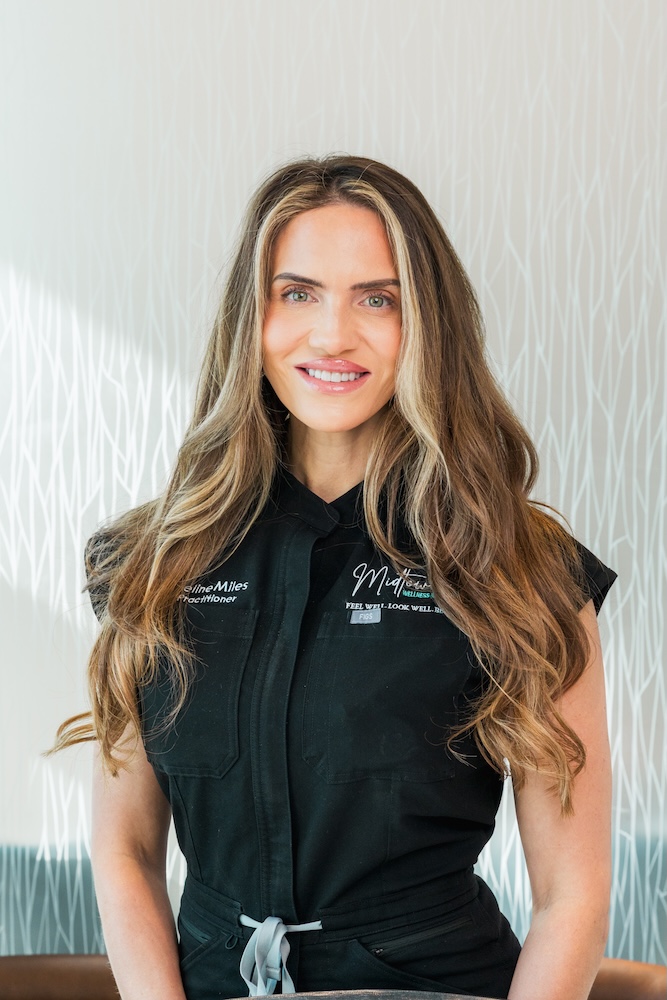
Medically reviewed by our trusted team of providers.
To minimize bruising, avoid blood thinners, alcohol, and high-intensity workouts for 1 day before your visit. Arrive with clean skin, free of makeup and skincare products. During your consultation, let us know about any medical conditions, supplements, or recent procedures so we can personalize your care plan.
Once your appointment is complete, there are a few steps you need to take to care for your skin. Avoid facial massage, exaggerated expressions, and intense activity for several days to allow the threads to settle properly. We may also advise sleeping on your back and elevating your head. Applying ice packs and following any post-treatment guidance we provide supports smooth healing and optimal results.
Absolutely! Threads pair well with neurotoxins to soften expression lines, dermal fillers for volume enhancement, and energy-based treatments like Ultherapy to further tighten the skin. At Midtowne, we often combine threads with complementary procedures in a phased approach for more comprehensive, refined outcomes.
Yes, because our team places threads with careful attention to facial anatomy and symmetry. The lift is subtle and soft—not frozen or artificial. As collagen builds, your skin gains structure gradually, preserving your authentic appearance while subtly enhancing definition and contour.